Treatment for Root Canal
The goal of a common dental procedure known as a root canal is to preserve damaged or infected teeth while minimizing discomfort and preventing further oral health problems. Root canals are a straightforward, very effective operation that allows patients to preserve their natural teeth, despite its reputation as being frightening. Understanding the process, benefits, and importance of root canal therapy can help ease anxiety and encourage quick action for those who are suffering from dental discomfort or infection.
A root canal is necessary when the pulp of a tooth becomes inflamed or infected. Connective tissue, blood arteries, and nerves are all found in the pulp, the soft tissue at the center of a tooth. Infections are frequently caused by deep decay, repeated dental procedures, fractures, or tooth injury. Damage to the pulp can cause severe pain, sensitivity to cold and heat, and swelling around the tooth. Without treatment, the infection could spread to nearby tissues, leading to abscesses, bone loss, and possibly systemic health complications.
In a root canal, the tooth’s interior is cleaned and  disinfected, the damaged or infected pulp is removed, and the tooth is sealed to prevent reinfection. Dentists or endodontists who specialize in this type of therapy typically begin by administering local anesthesia to ensure the patient is comfortable. After isolating the tooth to keep it dry, the dentist at https://dentalcureil.com/wheeling/ creates a tiny hole in the tooth’s surface to access the pulp chamber and root canals. After the unhealthy tissue is removed, the canals are meticulously cleaned and sculpted using specialist tools. After thoroughly cleaning the tooth and filling the canals with gutta-percha, a biocompatible material, the dentist uses a temporary or permanent filling to seal the tooth.
To restore the tooth’s strength and usefulness following a root canal, a crown is frequently placed over the treated tooth. A crown not only protects the tooth from any damage but also ensures that it will last for many years to come. Even though root canals are known to be extremely painful, thanks to improvements in dental technology and anesthetics, the majority of patients now find the procedure to be fairly comfortable. In reality, the pain experienced prior to the procedure is often far more intense than the suffering experienced during the surgery.
Root canal therapy offers benefits beyond tooth preservation and pain relief. By treating infections early on, root canals help prevent tooth extractions and more serious problems like misalignment, bone loss, and difficulty biting. Preserving natural teeth is always the best option since it maintains the stability of the jawbone and provides a strong foundation for nearby teeth. Furthermore, because root canals are less costly than tooth replacement options like bridges or implants, they are an excellent substitute for long-term dental health.
After a root canal, proper maintenance is essential to the tooth’s healing and continued health. Patients may experience some sensitivity or discomfort for a few days following treatment, although this is usually tolerable with over-the-counter pain relievers. Following the dentist’s advice on dental hygiene, dietary restrictions, and follow-up visits is crucial. Frequent brushing, flossing, and professional cleanings are necessary to maintain the health of the treated tooth and its surrounding teeth. With the right care, a tooth that has had a root canal can last a lifetime.
Despite the advantages of root canal therapy, some patients may be reluctant due to fear or misconceptions regarding the procedure. Many people believe that root canals are inherently painful or harmful, yet these concerns are often unjustified. Thanks to contemporary dental techniques and technology, the process is now safer, quicker, and more comfortable than it has ever been. By informing patients about the benefits and necessity of root canal therapy, their fears can be reduced and proactive dental care encouraged.
Root canal therapy not only relieves pain but also preserves natural teeth and promotes long-term oral health. By removing infections at their source and restoring the function of the tooth, this treatment helps patients avoid more invasive and costly operations in the future. Those who are suffering from tooth pain or infection symptoms may find that receiving dental care as soon as possible makes all the difference. A root canal is a tried-and-true way to maintain a healthy, pain-free smile, despite the fact that it may sound scary.
 tioning, odd jaws, and face. A person experiencing underbite or overbite, crooked teeth, overcrowded teeth, or misaligned jaws should visit orthodontics to rectify those misalignments. It can result in eating and speaking difficulties. Although orthodontic treatments are slow, they were once done; they permanently change the teeth positioning, thus straightening and aligning teeth.
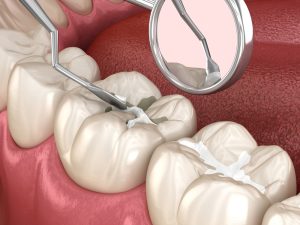 s so that it does not accumulate food particles that can cause tooth decay and cavities. Hence, the application of dental sealants creates an excellent barrier to cavities as it is a plastic material that allows you to clean the back of your teeth carefully and effectively.
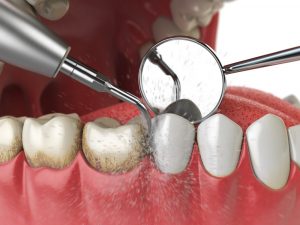 rushing them with a quality electric brush that makes an odd grinding noise.